
Finding Residents Across Gilbert
Start from whatever is already known. A street address points first to the Maricopa County Assessor. A full name often travels further in the recorder's index, a court file, or a licensed board search. An old year calls for different paper: a city directory, a census schedule, a newspaper item, or a probate file. Every source proves only its own narrow fact. The assessor names a titled owner, not everyone under the roof. A filing ties one party to one document, and a voter account confirms only the registered voter who signed into it.
Keep a small identity ledger as results land. Record the full name, middle initial, APN, deed number, case number, filing date, spouse or associate, and both the situs and mailing addresses. These keys separate two neighbors who share a name. They also mark the next handoff.
- Search the county parcel roll by owner, address, or APN.
- Carry the parcel deed number into the recorded-document index.
- Check court, voter, business, or license records that fit the question.
- Use directories, census files, and newspapers for an older trail.
- Send a narrow request to the named custodian when no index answers it.
Gilbert Residents Records Desks
Gilbert is an incorporated town. Maricopa County is its home, and Phoenix holds the county seat. That split decides where the resident rolls sit. The Town Clerk keeps Gilbert ordinances, minutes, campaign filings, contracts, building files, and GIS records. The county holds property ownership, recorded deeds, voter registration, probate, marriage licenses, and most trial-court files. State offices round out the picture with statewide court data, older vital indexes, business entities, and licensed-professional records. Ask the office that created the record. Requests sent to Town Hall in general rarely land.
Maricopa County Recorder
301 W. Jefferson Street, second floor, Suite 200
Phoenix, AZ 85003
602-506-3535
Gilbert Municipal Court
55 E. Civic Center Drive, Suite 101
Gilbert, AZ 85296
480-635-7800
Gilbert Parcel Search Keys
The Maricopa County Assessor Parcel Search is the strongest address-first tool in the Gilbert record set. It takes a name, address, or parcel number. A result can show the owner, the mailing address, the situs address, the legal description, the subdivision, and the current deed reference. Situs means the physical location of the parcel. Tax notices travel to the mailing address, which may lie elsewhere. Neither field proves who occupies the home.
| Assessor field | How to use it | Search note |
|---|---|---|
| Owner name | Test surname and first-name forms | Trust or company names may be needed |
| Property address | Start with street number and name | City, state, ZIP, and sometimes street type may be omitted |
| APN | Confirm one exact parcel | Best key for taxes, maps, and deed handoffs |
| Subdivision or MCR | Hold the legal land identity | Useful when a street name changed |
The official Assessor owner, address, and APN search shows the available starting fields.

Name, place, or parcel key, each path opens a different door in a Gilbert street directory search. No single result is a household roster.
Gilbert Deeds Link Resident Clues
The Assessor's current deed number is the fastest bridge from a Gilbert address into the Maricopa Recorded Document Search. The recorder takes many keys. A document number, docket or book and page, business name, personal name, document code, date range, and map locator all work. A hit identifies the parties, the document type, the recording number and date, the page count, and an unofficial image when one exists. Run a trust, subdivision, or HOA under Business Name. Plat Maps or another code fits when the target is land, not a person.
Backward trails take patience. Open the current instrument, note the grantor and grantee, then search that seller as an earlier buyer. Repeat while the legal description stays constant. Grantor means the party transferring an interest. Grantee is the party receiving it. The newer full-text mode searches names, addresses, and legal descriptions, but its stated reach covers only the last two years. Older work falls back to the party-name index. Docket and book-page references, the recorder's counter, and a targeted request carry the rest of the way.
Note: The Recorder's index is a finding tool, not a title guarantee or proof that a named party lived at the parcel.
Gilbert Court Lookup Has Gaps
The Arizona Public Access Case Lookup covers party and case data across most participating courts. Its own warning matters. Data is incomplete and updates only weekly. Gilbert Municipal Court is a key exception. The statewide unavailable-courts list marks Gilbert as delinquent-cases-only. A blank statewide result proves nothing locally. Town-code, misdemeanor, and civil-traffic requests go straight to the municipal court by in-person visit, fax, or mail.
Superior Court civil and criminal documents for eligible cases filed from July 1, 2010 may sit in Arizona eAccess. Older files are elsewhere. Excluded case types, certified copies, probate, and marriage material belong to the Clerk of the Superior Court in Maricopa County. Federal District of Arizona dockets run through PACER. Match a case by court, number, party role, dates, and disposition, never by name alone.
Current Gilbert Residents Directory Sources
No current official Gilbert resident directory names everyone at an address. Separate public indexes fill the gaps. One reveals owners, another document parties, another case parties. Others list registered voters, business principals, or public license holders. The right source depends on the fact sought. An owner roll answers ownership. A recorded instrument shows a party to that filing, and a court index shows a case link. The categories overlap, yet none is a full list of residents.
| Gilbert source | People or ties shown | Record keeper | Access route |
|---|---|---|---|
| Parcel roll | Titled owners and tax mailing contacts | Maricopa County Assessor | Free owner, address, or APN portal |
| Recorded documents | Grantors, grantees, and other parties | Maricopa County Recorder | Free index and unofficial images |
| Voter account | The authenticated registered voter | Maricopa County Elections | Credentialed BeBallotReady dashboard |
| Business entities | Agents and principals in entity filings | Arizona Corporation Commission | Free eCorp entity index |
| Town records | Applicants, speakers, parties, and project contacts | Town of Gilbert | Online material or custodian request |
The one-person method is laid out on the Gilbert resident lookup page. Confirm common names across two record keys.
Gilbert Voter Records Stay Controlled
The Maricopa County BeBallotReady dashboard gives personalized registration and ballot information after the voter supplies identifying credentials. It is not a public name-and-street browse. Separate voter data access is governed by A.R.S. § 16-168. The Recorder's request process distinguishes lawful uses, bars posting the file online, requires acknowledgment of restrictions, and places responsibility on the requester for misuse or unauthorized transfer.
Registration fields do not reveal how anyone voted. Some voters are protected by court order or the Arizona Address Confidentiality Program, so their address details may be sealed. Treat a missing voter result as unresolved. The person may not be registered in the county, may have changed registration, may be protected, or may not have entered the credentials correctly. Use property, deed, court, business, or historical records only when those sources fit the research purpose.
A separate voter-data request may go through NextRequest, an emailed form, fax, or mail to the Recorder's Public Records Custodian. Inspection is free by appointment. A paid data order is invoiced before delivery, and the secure download link expires after two weeks. County files can be ordered by several district or precinct types, but not by ZIP, street, or radius.
Gilbert Vital Records Prove Events
Vital records answer a different question than a residents directory does. A birth or death certificate proves an event happened. It happened on a date, to a named person. The Maricopa County Office of Vital Registration issues certified copies to eligible applicants. The Arizona Bureau of Vital Records keeps the statewide file. The county offers a documented mail route and listed counters. The state bureau publishes applications, a Phoenix office, and a mail address. Timing matters here. Under A.R.S. § 36-351, birth certificates become public after 75 years. Death certificates become public after 50 years. Anything more recent requires statutory eligibility plus identification.
Marriage licenses, divorce cases, and probate all live with the Clerk of the Superior Court in Maricopa County. Sealing and redaction still apply to these files. Probate images from 1870 through 1930 are especially rich. They can tie a deceased resident to heirs, addresses, and property. An index entry, though, is only a pointer. A certified copy carries official weight, while an unofficial image suits research and cross-checking best.
Gilbert Business Names Need Care
Business records add a different thread to a Gilbert lookup. The Arizona Corporation Commission eCorp search locates an entity by name, statutory agent, principal, or entity ID. A single record can show status, formation date, principal address, agent, managers or officers, and filed documents. The official Arizona business entity search displays the available entity and principal search paths. On the town side, Gilbert publishes monthly business-license reports covering 2021 through 2026. Development Services keeps licensing, planning, permit, and project material. Together these sources can pin a business tie to a stated time.
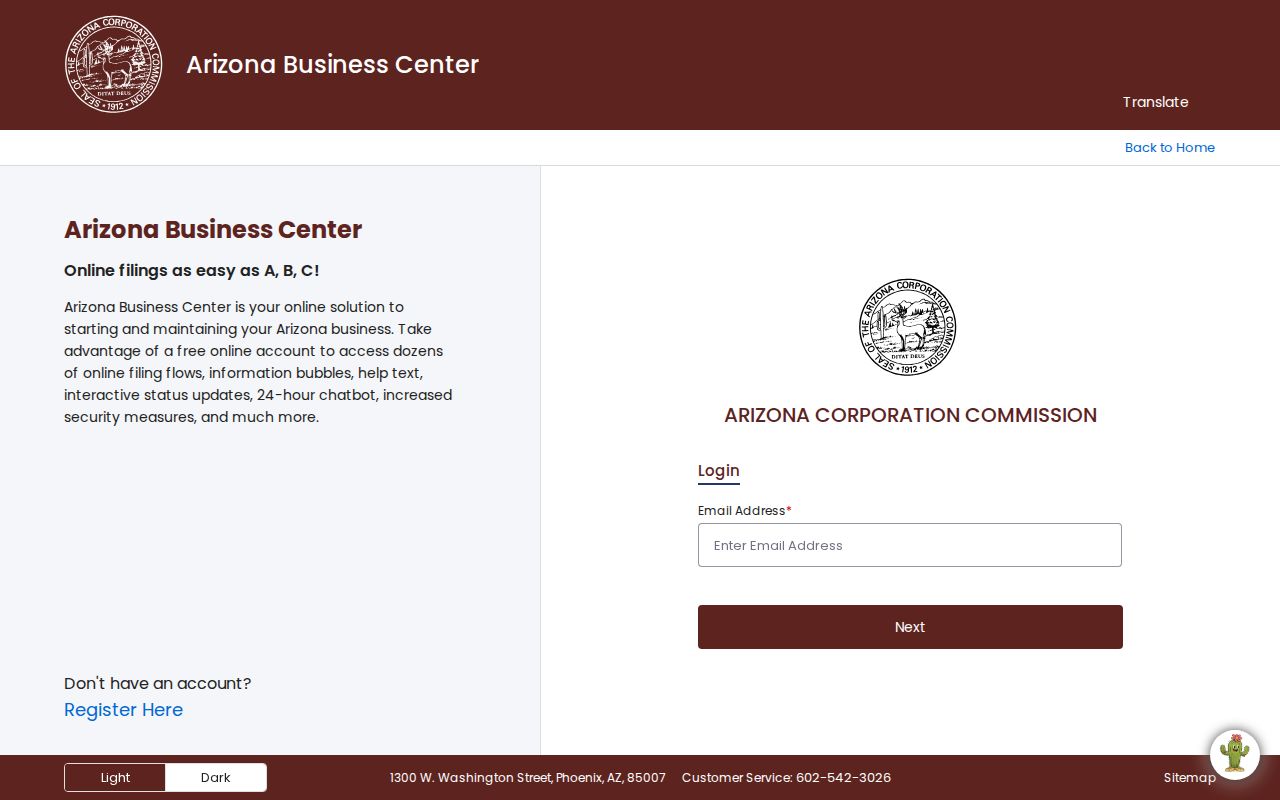
The search fields separate a legal entity from its agent and principal. Still, a business address or public role is not proof of where a person lives.
Historical Gilbert Residents Directory Shelf
The historical Gilbert directory trail begins at the State Research Library. Its finding aid lists a Chandler-Gilbert city directory for 1982 for Reading Room access. That single year is just the start. Longer Mesa-Tempe and Phoenix metropolitan runs often catch East Valley names, relatives, addresses, and household clues. Each volume's geographic scope must be checked before you trust a hit. Phoenix criss-cross volumes are listed for 1962 through 1964, 1968, 1975, 1977 through 1984, and 1986 through 2011. A criss-cross directory sorts by address or phone rather than surname.
Early record labels rarely match today's town boundary. Maricopa County formed in 1871. The settlement grew around a railway siding. The town incorporated in 1920. Rural county, Mesa, Chandler, precinct, railroad, school, farm, and canal terms can surface a resident. A modern Gilbert keyword may miss that same resident. The Gilbert city directories collection guide walks the shelf, entry abbreviations, census pairing, and archive access in depth.
Gilbert Archives Fill Directory Gaps
Missing a printed directory year does not end the search. Local history fills the gap. HD SOUTH, the Gilbert Historical Museum, holds photographs, school material, archives, and local-family knowledge. Its home is the former 1913 elementary school at 10 S. Gilbert Road. The Arizona Memory Project adds digitized photos, documents, maps, and directories. Search Gilbert and nearby East Valley names together. Surnames, schools, canals, railroads, and old subdivision labels all work as entry points.
Maricopa County Library District's Perry and Southeast Regional branches offer reference help. They also provide licensed genealogy tools. Listed resources include in-library Ancestry Library Edition, HeritageQuest, historical newspapers, and local and family histories. Product access can change, so confirm availability with the branch first. Obituaries and newspapers can connect relatives, schools, congregations, burial places, or earlier communities. Verify each name and date before trusting it. Check against a vital index, cemetery source, directory, or probate file.
Gilbert Records Use Stable Terms
A handful of record terms make Gilbert searching far easier. These labels keep a search honest. They also act as stable handoff keys when an address, surname, or town boundary changed mid-century.
- Roll
- An official list made for one public task, such as property assessment or voter registration.
- Index
- A finding aid that points to a record; it is not always the full document.
- Parcel
- A mapped unit of land identified by an assessor parcel number, or APN.
- Situs address
- The physical location assigned to the parcel, distinct from a tax mailing address.
- Criss-cross directory
- A directory arranged by street address or phone number instead of surname.
Whenever one is available, use the APN, deed number, case number, license number, or legal description. Those keys beat a common name every time. For older Heritage District work, subdivision names outperform today's postal wording. Gilbert Townsite, Creeds Addition, Ayers Subdivision, Hearne Addition, Cooper Addition, and Lacy Tract are strong recorder search terms. Greenhaw Place belongs on that list too.
Gilbert Requests Need Narrow Scope
Arizona's Public Records Law, A.R.S. §§ 39-121 through 39-161, opens records for inspection during office hours and calls for prompt handling, subject to confidentiality law and balancing interests. Gilbert splits requests by custodian. Town, court, fire, police, prosecutor, and building records each live with a different office. A narrow scope helps. Name the record type, date range, address, case or project number, and the likely office. Skip personal facts the search does not need.
The Town Clerk reports free inspection for most records. Review, redaction, complexity, and volume can still stretch the wait. The Recorder accepts portal requests plus documented email, fax, mail, and counter channels. Gilbert Municipal Court takes in-person, fax, or mail requests. Prepayment is required there. Some shelves lack a complete web index. The State Research Library, local library branches, and HD SOUTH fill that gap.
Gilbert Title Alert Has Limits
Maricopa Title Alert is a free Recorder notification service. It flags newly recorded documents that match monitored personal or business names, which can point to a filing worth inspecting. The tool has real limits, though. It does not freeze title, validate a document, block recording, decide fraud, or watch a single parcel, and it is no substitute for legal advice. Name variants matter. After an alert, compare the recorded image, document number, parties, and legal description against the known parcel trail.
The Recorder draws a clear line between free research and formal proof. Unofficial document images cost nothing. Official copies run $1 per page, and certification adds $3 per document. Those figures help spot inflated deed-copy mailers. Verify any message against the exact government domain and phone number from the custodian's page. Suspected fraud goes to official channels. Use Gilbert Police, the Arizona Attorney General consumer complaint channel, or federal fraud and identity-theft reporting as the facts require.
Note: A public filing can start a careful verification, but it must never become a reason for unwanted contact or surveillance.